The final and most transformative step in resigning from PPO plans is adding high-value services to your practice. This step recognizes a fundamental truth about human behavior: people will pay for what they want before they pay for what they need. By strategically adding services that patients desire, you can attract fee-for-service patients, increase practice revenue, and build a sustainable business independent of insurance reimbursement rates.
Understanding Patient Behavior: Wants vs. Needs
One of the most powerful principles in practice management is understanding the distinction between what patients need and what they want. While everyone needs dental care to maintain oral health, not everyone wants to pay for cosmetic enhancements, advanced orthodontics, or other elective procedures covered by insurance plans.
This distinction is crucial because insurance companies are designed to cover basic, necessary treatment. When patients understand that high-value services fall outside insurance coverage, they often become open to paying out-of-pocket for treatments that will genuinely improve their quality of life.
Key Finding: A survey of over 6,000 people in Chicago found that 85% of respondents wanted whiter teeth. Yet the average dental office offering whitening performs only 1.2 procedures per month. This massive gap represents untapped revenue potential in nearly every practice.
The Conditioning Exercise
Most insurance-dependent practices hear the same refrain from patients: "Will my insurance cover this?" This question reflects patient conditioning over years of insurance-focused dentistry. Your goal is to recondition your patients to become comfortable paying for services outside their insurance coverage.
This shift happens gradually. When patients choose to pay for something not covered by insurance—even something as simple as teeth whitening—they vote with their feet (or teeth) to say, "I'm willing to invest in myself." This single decision opens their mind to additional treatments they may not have considered before.
The conditioning exercise is positive and empowering. It moves patients from a mindset of "what does insurance allow?" to "what treatments will help me achieve my health and aesthetic goals?"
Run Your Own Race: Choosing the Right High-Value Services
One of the most important lessons for dentists implementing this strategy is that there is no one-size-fits-all list of high-value services. What works brilliantly in one practice may not align with another dentist's skills, interests, or patient demographics.
Instead of looking at demographic data or competitors' offerings, ask yourself these questions:
- What clinical areas genuinely excite me?
- What treatments would I be "giddy with excitement" to take a CE course about?
- What skills do I want to develop deeper expertise in?
- What services would bring fulfillment to my clinical practice?
This approach works because of a simple truth: you become better at things you enjoy. When you're passionate about a service, your patients will sense that enthusiasm. You'll invest more time in continuing education, refine your technique, and naturally attract patients interested in that specific treatment.
High-Value Services to Consider
While every practice should "run its own race," here are proven high-value services that have generated significant revenue for practices nationwide:
1. Dental Implant Placement and Restoration
Implant dentistry represents a pathway to second chances for patients with missing teeth. With 75% of Americans aged 35 and older missing at least one tooth, and 22% of those over 60 completely edentulous, implant services address a massive unmet need.
2. Adult Orthodontics
Many patients never had orthodontic treatment as teenagers. Offering invisible orthodontic solutions like Invisalign appeals to the growing population of adults wanting to improve their smiles discreetly.
3. Cosmetic Dentistry
Cosmetic services including veneers, smile design, and smile makeovers attract patients willing to invest in their appearance and confidence. These services command premium fees and high patient satisfaction rates.
4. Oral Conscious Sedation
Approximately 49% of adults avoid dental visits due to anxiety, and 22% won't visit a dentist at all because of fear. Offering sedation dentistry opens your practice to this underserved population and positions you as a compassionate solution.
5. Complex Restorative Dentistry
As patients live longer, they increasingly want to maintain their natural teeth and oral function throughout their lives. Complex restorative cases allow patients to eat, speak, and smile comfortably for decades.
6. Sleep Apnea Diagnosis and Treatment
Obstructive sleep apnea is a significant health concern, and dentists are increasingly positioned as first-line diagnosticians. Offering oral appliance therapy for sleep apnea represents growing patient demand and meaningful health impact.
7. Aesthetic Treatments
In jurisdictions where permitted, services like Botox and dermal fillers extend your aesthetic service offerings and appeal to patients wanting comprehensive facial aesthetics beyond traditional dentistry.
From Teeth Whitening to Invisalign: A Powerful Case Study
The power of properly implementing high-value services becomes clear in a real-world example. One dental practice had been an Invisalign provider for years but completed only three cases annually. The dentist acknowledged this felt like wasted effort—he had to reference training materials each time because the procedures were so infrequent.
Everything changed when the practice hired a new hygienist from an office that aggressively promoted Invisalign. She brought a systematic approach: when examining patients, she looked specifically for crowding or spacing in teeth. When she identified these issues, she asked a simple question: "If there was a way to correct the spaces in your teeth without brackets and braces, would you have any interest in that?"
Most patients responded positively, expressing past reluctance only because they didn't want to wear visible braces. She then asked the doctor to evaluate whether they were candidates, essentially creating a warm handoff and social proof system.
The results were dramatic: the practice went from three Invisalign cases annually to approximately one case per week—a 1,600% increase. More importantly, this increase sustained over years, demonstrating that the system works consistently.
Training Your Team to Create Interest in High-Value Services
The hidden gem in implementing high-value services is teaching your team how to discuss them with patients. Your team members, particularly hygienists and administrative staff, are the primary patient touchpoints. They need simple, effective language to introduce these services naturally.
The Invisalign example above shows the power of team engagement. Rather than the doctor pushing treatments, team members identified appropriate patients and created genuine interest. This approach feels consultative rather than sales-oriented.
Key elements of effective team communication include:
- Identifying which patients are candidates based on specific findings
- Asking open-ended questions that allow patients to express interest
- Highlighting benefits that matter to patients (aesthetics, comfort, function, confidence)
- Creating a warm handoff where the team member presents information, then the doctor confirms candidacy
- Following up with information patients can review at home
Building Expertise and Passion
Adding high-value services isn't about offering everything to everyone. It's about selecting two or three services that genuinely interest you, investing in quality education, and building recognized expertise in your community.
When you choose services aligned with your interests, several positive outcomes naturally follow:
- You become a highly skilled practitioner in these areas
- Patients sense your genuine expertise and enthusiasm
- Your practice becomes known for excellence in specific services
- You enjoy clinical work more, reducing burnout
- You attract like-minded patients seeking these services
- Your team becomes genuinely interested in discussing these treatments
The Ripple Effect on Practice Independence
Implementing high-value services is the final step in a comprehensive strategy to reduce insurance dependence. The previous five steps—knowing your data, mastering digital marketing, getting your team on board, implementing membership plans, and elevating relationship-driven care—create the foundation. High-value services are the capstone.
Together, these steps create a practice that:
- Attracts patients who value quality and are willing to pay for it
- Generates significant revenue from high-value services
- Reduces dependence on insurance reimbursement rates
- Allows dentists to practice dentistry they love
- Creates team alignment around shared practice goals
- Builds practice sustainability independent of insurance panels
Starting Your High-Value Services Journey
Begin by selecting one or two high-value services that genuinely excite you. Invest in quality education—attend advanced CE courses, perhaps even travel to study under recognized experts. Develop consistent systems for case selection, patient communication, and outcomes documentation.
Train your team using the principles outlined above. Most importantly, share your genuine passion for these services with patients. Your enthusiasm is contagious and becomes your most effective marketing tool.
Ready to Transform Your Practice?
Learn how to implement a complete insurance-independence strategy, starting with high-value services that align with your clinical interests and practice goals.
Schedule a Coaching Strategy MeetingGet Your Free PPO Resignation Checklist
Discover the complete step-by-step process for successfully resigning from insurance plans and building a thriving fee-for-service practice.
This article is based on principles from the Less Insurance Dependence Podcast, Episode 124, featuring Gary Takacs, DDS, a dental practice management coach with over 40 years of experience transforming 2,200+ practices worldwide. Listen to the original episode
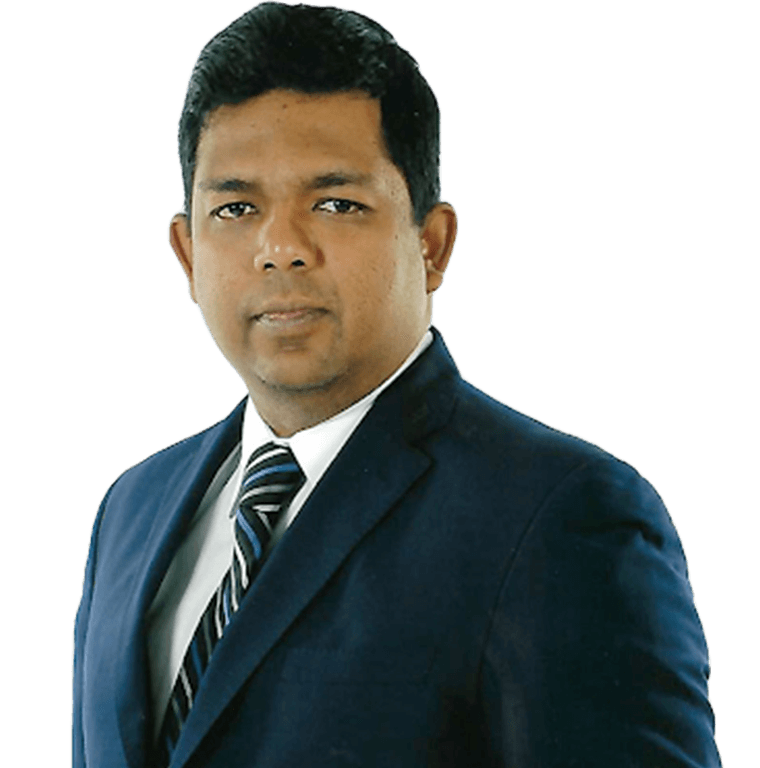
Reviewed by
Naren Arulrajah
CEO & Founder, Ekwa Marketing
Naren Arulrajah is the CEO and Founder of Ekwa Marketing, a 300-person dental marketing agency that has helped hundreds of practices grow through SEO, reputation management, and digital strategy. A published author of three books on dental marketing, contributor to Dentistry IQ, co-host of the Thriving Dentist Show and the Less Insurance Dependence Podcast, and a member of the Academy of Dental Management Consultants. He has spent 19 years focused exclusively on helping dental practices succeed online.