Your practice's competitive advantage doesn't come from insurance networks or pricing strategies. It comes from relationships. A relationship-driven practice creates patients who choose you for reasons beyond their insurance plan—patients who stay loyal even when better networks become available.
Why Relationships Matter in Dental Practice
In today's dental landscape, many practitioners operate what we call "transaction-based" practices. Patients come in, receive treatment, pay, and leave. While this model can generate revenue, it creates a fundamentally fragile business. These patients will leave the moment a competitor offers them a better insurance deal or lower co-pay.
A relationship-driven practice operates on an entirely different foundation. When patients feel genuinely valued and connected to your team, they won't want to leave. They become advocates for your practice. They refer friends and family. Most importantly, they trust your clinical recommendations even when insurance companies deny coverage.
This shift from transaction-based to relationship-based is the single most important factor in successfully reducing insurance dependence. Without strong patient relationships, dropping PPO plans will hurt your practice. With them, you'll build a thriving, profitable, and sustainable business.
The Psychology of Patient Connection
People don't leave practices where they feel valued and remembered. Maya Angelou captured this beautifully: "People will forget what you did, people will forget what you said, but people will never forget the way you made them feel."
Your job—and your team's job—is to make every patient feel important and cared for. This isn't manipulation. It's genuine interest in your patients as human beings. When you ask about someone's family, remember their daughter is starting university, or inquire about their upcoming vacation, you're acknowledging their humanity.
Dale Carnegie, the author of "How to Win Friends and Influence People," taught a foundational principle: it's more important to be interested than to be interesting. Most dentists naturally want to demonstrate their expertise and qualifications. But patients don't care how much you know until they know how much you care.
Systemizing Relationship-Building
Here's the challenge: human memory is fallible. You might remember that a patient's daughter is in college, but three months later when they return for their recall appointment, you might not remember her name or what she's studying. This creates a problem because patients notice when you forget.
The solution isn't to rely on your memory—it's to create systems.
The Personal Notes System
Implement a digital personal notes section in your practice management software. This isn't clinical information—it's personal data you've learned about your patients:
- Spouse and children's names
- Important life events and milestones
- Hobbies and interests
- Upcoming vacations or plans
- Career information
- Pet names
- Important personal values or goals
Make this a team effort. Encourage your front desk staff, hygienists, and associates to contribute to these notes. When you learn something meaningful about a patient—even a small detail—have team members jot it down in this system.
Preparation Before Every Patient
Here's the critical step that most practices skip: review these notes before seeing each patient. Spend 30 minutes before your morning huddle reviewing the personal notes for all patients you'll see that day. By the time that first patient sits down in your chair, you're prepared.
Instead of a generic greeting, you might say: "Sarah, it's great to see you today. I was thinking about you—didn't you mention last time that your son was applying to universities? Where did he end up going?" This simple act makes the patient feel genuinely valued and remembered.
The Stroke of Genius: Consistent Application
Dr. Omer Reed, a legendary dentist and practice consultant, perfected this system decades ago. He maintained a physical card file (the Rolodex approach) for every patient—detailed with personal information collected from conversations. His practice operated from 6 a.m. to 2 p.m., giving him time each morning to review these cards.
The magic wasn't just in creating the system. It was in using it consistently. He prepared every single day. He knew his patients' stories before walking into the operatory. The result? Patients felt special and valued. In a busy practice with three associate dentists and five hygienists, every patient felt like they were the only person receiving care.
This approach had another benefit: patients in a truly relationship-driven practice become incredibly loyal. They don't shop around for better insurance networks. They don't jump to competitors. They stay because the experience of being cared for is rare and valuable.
Modeling the Behavior You Want
There's an essential leadership principle here: you can't ask your team to care deeply about patient relationships if you don't model that behavior yourself.
If you want your front desk staff to remember and acknowledge patients' personal lives, you need to remember and acknowledge your team members' personal lives. Know your team members' birthdays. Ask about their families. Remember what's going on in their lives. This isn't busy work—it's leadership.
As Mahatma Gandhi said: "Be the change you wish to see in the world." In your practice, this means: be the relationship-driven practitioner you want your entire team to become.
Building Practice Differentiation
Your relationship-driven approach becomes your practice's secret sauce—your point of differentiation. In a commoditized dental market, you can't compete on clinical skills alone (most competent dentists have similar clinical capabilities). You can't compete on insurance networks (those are dictated by PPO companies).
But you can absolutely compete on the patient experience and the genuine relationships you build.
When a patient feels like they matter to you and your team, they think about your practice differently. They're not comparing you to "that dentist who's on my insurance." They're thinking about the doctor who remembered their daughter's name, asked about their health goals, and genuinely cared about their wellbeing.
From Transaction to Transformation
A relationship-driven practice transforms from a revenue-generating business to a healing practice. Patients feel the difference. They experience it in every interaction:
- The front desk staff who greets them by name and remembers their preferences
- The hygienist who asks about their family while cleaning their teeth
- The dentist who reviews their personal information before the appointment
- The team that shows genuine interest in their overall health and happiness
This kind of practice attracts better patients. These are people who value quality care and personal attention. They're less price-sensitive because they understand the value of what they're receiving. They're more compliant with treatment recommendations because they trust you. They refer friends and family more frequently because they're genuinely enthusiastic about your practice.
The Insurance Independence Connection
Here's why this matters for reducing insurance dependence: patients who are in genuine relationships with you won't leave when you drop PPO plans. Yes, they might need to adjust to out-of-network costs. But if they've experienced real care and connection, they'll find a way to stay with you because the alternative—starting over with a new practice—feels wrong to them.
Insurance companies understand this principle. They invest heavily in network dentists because they know that patients in true relationships with their doctors won't switch. Your competitive advantage against insurance networks isn't lower fees—it's the relationship itself.
Common Implementation Mistakes
Many practices attempt to implement relationship-building systems but fall short. Here are common mistakes:
Creating Systems Without Using Them
The information is useless if you don't act on it. A patient database full of personal notes means nothing if you don't review those notes before appointments.
Inconsistency
Patient relationships require consistency. If you remember someone's information occasionally, it actually creates a negative experience because it highlights when you forget. Better to consistently prepare than to remember sporadically.
Inauthentic Interest
Patients can sense when you're pretending to be interested. The personal notes system should enhance your genuine interest in patients, not replace it. If you don't actually care about your patients' lives, no system will help.
Team Misalignment
Your team must buy into this approach. If your doctor is relationship-driven but your front desk staff is transactional, the experience is fragmented. Invest time in helping your team understand why this matters.
Moving Forward
Building a relationship-driven practice is not a quick fix. It requires:
- Intentional system design appropriate for your practice
- Daily preparation and review of patient information
- Consistent team participation and buy-in
- Genuine interest in your patients as people
- Leadership modeling of the behaviors you want
But the payoff is tremendous. A relationship-driven practice generates more referrals, attracts better patients, experiences higher case acceptance, enjoys greater patient loyalty, and provides deeper personal and professional satisfaction.
Most importantly, a relationship-driven practice gives you the foundation you need to successfully reduce insurance dependence. Your patients will choose you for who you are and how you make them feel—not because they're on your insurance plan.
Your Next Steps
Start small. Don't try to implement a perfect system immediately. Choose three patients this week. Learn one meaningful personal detail about each of them. Document it. Then, before their next appointment, review that information and bring it up in conversation.
Notice how it changes the interaction. Notice how the patient responds to being remembered and valued. That small experience is the foundation of a relationship-driven practice.
Key Takeaway
People don't care how much you know until they know how much you care. Build systems that help you genuinely connect with your patients, and watch your practice transform—and your insurance dependence disappear.
Ready to Build a Relationship-Driven Practice?
Get expert guidance on systematizing patient relationships and reducing insurance dependence.
This article synthesizes dental practice management principles and patient relationship strategies. Learn more about reducing insurance dependence at RID Academy.
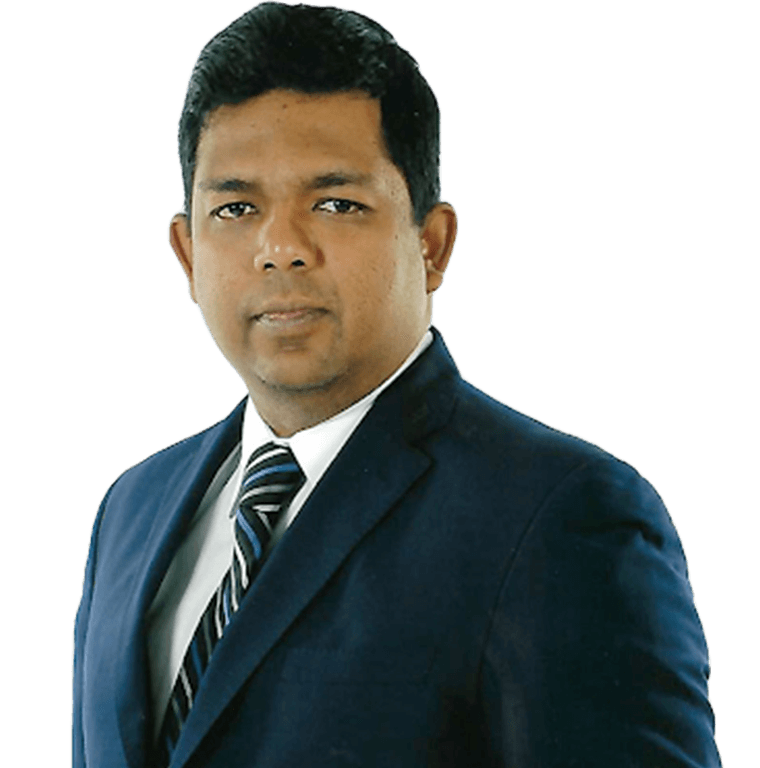
Reviewed by
Naren Arulrajah
CEO & Founder, Ekwa Marketing
Naren Arulrajah is the CEO and Founder of Ekwa Marketing, a 300-person dental marketing agency that has helped hundreds of practices grow through SEO, reputation management, and digital strategy. A published author of three books on dental marketing, contributor to Dentistry IQ, co-host of the Thriving Dentist Show and the Less Insurance Dependence Podcast, and a member of the Academy of Dental Management Consultants. He has spent 19 years focused exclusively on helping dental practices succeed online.