As your practice grows and demand increases, it's natural to ask: can I simply stop accepting new PPO patients while remaining in-network? The answer is nuanced, but there's a legal strategy that lets you effectively achieve this goal without violating your contracts. Learn the smart approach to managing your patient mix during periods of high demand.
The Question Every Growing Practice Faces
Many dental practices today are experiencing something previously uncommon: insufficient capacity. Patient demand exceeds available appointment slots. For practices serious about building fee-for-service revenue, this creates a compelling question: why accept new PPO patients at 40-50% fee reductions when fee-for-service patients pay in full?
The mathematics seem straightforward. Every hour spent with a PPO patient represents lost opportunity to see a fee-for-service patient. If your schedule is full, shouldn't you prioritize the patients who pay your full fees?
Understanding Your PPO Contract Obligations
The Core Obligation: Non-Discrimination
When you sign a PPO contract and agree to be "in-network," you're entering a specific agreement. The insurance company agrees to send you patients and list you in their provider directory. In exchange, you agree to accept payment at their contracted fees.
Importantly, PPO contracts typically contain a clause that prevents you from refusing to see new patients. Your contract requires you to accept new patients from that plan—you cannot legally refuse them based on insurance status alone.
What This Means In Practice
The direct answer to "Can I stop seeing new PPO patients?" is: No, not explicitly. You cannot add a clause to your scheduling system that says "PPO patients not accepted" or refuse new PPO patients outright. That would violate your contract.
However—and this is the critical insight—your contract doesn't say you must see them quickly.
The Strategy: Strategic Scheduling
How Schedule Management Works Within Contract Terms
Here's what you absolutely can do: you can control when you schedule new patients. If your practice is booking out several months, that's a business reality, not a contract violation.
When a PPO patient calls requesting an appointment, you're not refusing them. You're simply offering them the next available slot—which might be 3, 4, 5, or 6 months out, depending on your schedule.
The Legal Reality: Pushing PPO patients to future appointment slots while prioritizing fee-for-service patients for sooner appointments is a legitimate scheduling practice. You're not refusing PPO patients; you're managing a full schedule.
The Practical Outcome
Here's what happens next. A new PPO patient calls. You explain that your next available appointment is in January (even though it's currently September). What will that patient do?
They'll likely do what any rational consumer does: they'll press the back button on their browser, find another dental office, and make an appointment there. They won't wait 4+ months for a new patient appointment when other dentists have openings in the next week.
From a contractual standpoint, you haven't refused anyone. You've simply offered the available time. The patient chose to go elsewhere—which is their right.
By effectively, you've stopped seeing new PPO patients without violating your contract obligations.
Why This Strategy is Ethically Sound
Maintaining Quality of Care Standards
Some dentists worry that prioritizing fee-for-service patients might appear to create different standards of care. It doesn't have to work that way, and it shouldn't.
The key is commitment to a single standard of care. Whether a patient is fee-for-service or PPO, they receive the same quality materials, laboratory services, technology, and clinical expertise. The difference is purely in scheduling priority during high-demand periods.
This is ethically defensible because:
- You're not compromising anyone's care quality
- You're simply managing appointment availability like other healthcare practices do
- It allows you to focus resources on building a stronger practice
- You remain in-network and compliant with contract terms
Precedent in Other Healthcare Fields
This strategy isn't unique to dentistry. Medical practices routinely manage their schedules this way. A dermatologist might have a 6-month wait for cosmetic Botox appointments but same-week availability for skin cancer screenings. A specialist might schedule insured patients out several months while seeing self-pay patients sooner.
Schedule management based on demand is standard healthcare practice.
The Financial Reality of PPO Patient Acceptance
Understanding the True Cost of PPO Patients
Let's look at real numbers. PPO contracts typically involve:
- Fee reductions: 40-50% (and increasingly, up to 58% in some markets)
- Administrative burden: Processing claims, handling denials, patient communication
- Opportunity cost: Time that could be spent with fee-for-service patients
- Extended treatment timelines: Insurance approvals often delay case starts
When you perform a crown that you would charge $1,400 fee-for-service but receive $700 from insurance, you're not just earning less. You're using valuable practice resources at half the compensation. Multiply that across dozens of patients, and the economic impact is substantial.
Building Toward Fee-For-Service Independence
The fundamental philosophy of reducing insurance dependence is building a practice that can thrive without relying on PPO revenue. This requires intentional decisions about patient mix. Strategic scheduling of PPO patients is one such decision.
Implementing This Strategy in Your Practice
Step 1: Block Appointment Times
Reserve your nearest appointment availability exclusively for fee-for-service new patients. This might mean:
- Blocking the next 4-8 weeks for fee-for-service only
- Offering PPO patients the subsequent availability
- Adjusting blocks based on your demand levels
Step 2: Train Your Scheduling Team
Your team members who answer phones and manage scheduling need to understand this strategy. They should:
- Present the appointment schedule matter-of-factly, without apology
- Not volunteer information about shorter PPO wait times
- Offer the available appointment time professionally
- Be prepared to help patients choose self-pay or find another provider
Step 3: Hold to the System
The strategy only works if you maintain consistency. If you schedule PPO patients sooner to fill gaps, you undermine the entire approach. Stay disciplined with your blocked appointment times.
Managing Patient Mix and Contract Compliance
Flexibility is Built In
One advantage of this approach is its reversibility. If demand suddenly decreases—which could happen due to economic changes or other factors—you can adjust. You can begin scheduling PPO patients sooner again, maintaining your in-network status fully.
You're not walking away from contracts or burning bridges. You're simply adjusting your scheduling to match current market conditions.
Communication with the PPO Plan
You don't need to inform your PPO plans of this strategy. You're not taking any action that violates your contract. You're managing your schedule, which is your right as a practice owner.
Note: This article provides general information about scheduling strategies. For specific contractual questions about your particular PPO agreements, consult with your practice lawyer or contract advisor to ensure compliance with your specific contract terms.
Building a Stronger Practice Through Patient Mix Optimization
The Strategic Advantage
Every PPO patient you don't see is an opportunity to see a fee-for-service patient instead. Over a year, this can mean hundreds of thousands of dollars in additional revenue at full fee. More importantly, it shifts your practice economics toward sustainability and independence.
A practice that's 70% fee-for-service and 30% PPO operates from a position of strength. A practice that's 30% fee-for-service and 70% PPO operates from a position of dependence.
The Patient Relationship Impact
Here's something that might surprise you: fee-for-service patients often demonstrate higher treatment acceptance rates and longer practice tenure. They've already made the decision that your care is worth full investment. They're pre-selected for commitment.
This creates a higher-quality patient base that generates better long-term practice metrics.
Moving Toward Full Independence
This Strategy as a Stepping Stone
Strategic scheduling of PPO patients isn't a permanent solution for most practices. It's an interim strategy during the transition toward potentially leaving networks entirely.
The longer-term goal is building enough fee-for-service volume that PPO plans become optional rather than necessary. But that transition requires intentional steps, and managing your new patient mix is an important one.
Building Your Fee-For-Service Patient Base
While managing PPO scheduling, invest in attracting quality fee-for-service patients through:
- Digital marketing that attracts your ideal patient (Ekwa specializes in this)
- Strong online reviews and social proof
- Clear communication about your expertise and services
- Transparent fee structures and financial options
As your fee-for-service base grows, your reliance on PPO revenue naturally decreases.
Ready to Build Your Practice Independence?
Learn the complete strategy for reducing insurance dependence. Join dental leaders who are building thriving practices with strong fee-for-service patient bases.
Get Started with the Thriving Dentist MBAGet Your PPO Transition Strategy Guide
Discover how successful practices manage their PPO contracts while building toward fee-for-service independence. Receive our guide to patient mix optimization and contract strategy.
Based on insights from the Less Insurance Dependence podcast featuring dental industry leaders Gary Takacs and Naren Arulrajah. Authors: Naren Arulrajah & Gary Takacs
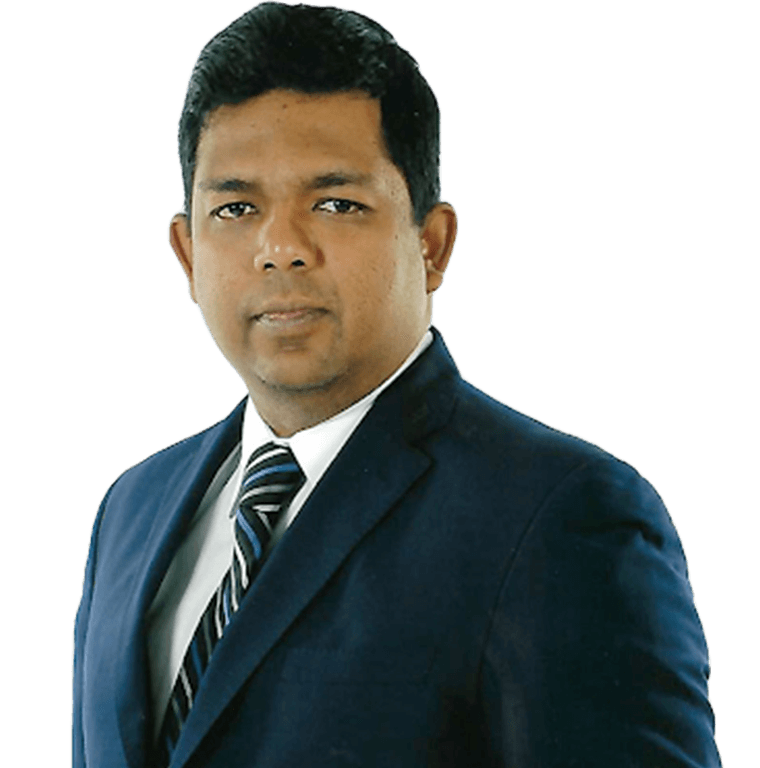
Reviewed by
Naren Arulrajah
CEO & Founder, Ekwa Marketing
Naren Arulrajah is the CEO and Founder of Ekwa Marketing, a 300-person dental marketing agency that has helped hundreds of practices grow through SEO, reputation management, and digital strategy. A published author of three books on dental marketing, contributor to Dentistry IQ, co-host of the Thriving Dentist Show and the Less Insurance Dependence Podcast, and a member of the Academy of Dental Management Consultants. He has spent 19 years focused exclusively on helping dental practices succeed online.