Your mindset determines your reality. A scarcity mindset traps you in victimhood, while an abundance mindset opens the door to possibility, control, and thriving. In this article, we explore how these two mindsets shape your dental practice and your journey toward insurance independence.
The Science Behind Abundance Thinking
In his groundbreaking book "Abundance: The Future Is Better Than You Think," Harvard-trained physician Peter Diamandis provides scientific evidence that we should all embrace an abundant mindset. This isn't "positive thinking" or wishful optimism—it's grounded in data about human capability, technological progress, and resource availability.
Yet despite this scientific foundation, many of us fall into the opposite: scarcity thinking. We unconsciously adopt a mindset of limitation, fear, and deficit. And the consequences for your dental practice are profound.
Diamandis introduces an important concept: "If it bleeds, it leads." News outlets prioritize negative stories because they capture attention. This constant stream of negativity can condition us toward scarcity thinking without our even realizing it.
Understanding the Abundance-Scarcity Paradox
Think of abundance and scarcity not as absolute states, but as points on a continuum. You exist somewhere between these two poles, and you can shift your position through conscious awareness and intentional action.
Consider how this paradox plays out for dentists considering insurance independence:
| Situation | Scarcity Mindset | Abundance Mindset |
|---|---|---|
| Considering going out of network | "I'll lose all my PPO patients. I can't do this." | "I'll lose some patients, but I can attract new ones through marketing and excellent service." |
| Team staffing challenges | "I can't find good team members. It's impossible." | "I haven't found the right person yet, but I can keep looking and will find them." |
| Market saturation | "Everyone works for tech companies. I could never do this here." | "Not everyone works for those companies. There are opportunities in this market." |
| Retirement finances | "I'm stuck. The insurance companies are funding my retirement." | "I can build wealth through better business decisions and strategic changes." |
Notice that the abundance mindset doesn't deny reality. You will lose some patients. Some team members are hard to find. Markets do have challenges. But the abundance mindset adds a crucial element: agency. It says, "Yes, these are the facts, and I have the power to influence the outcome."
The Scarcity Trap: From Victim to Empowered
When you adopt a scarcity mindset, something insidious happens: you unconsciously shift from being empowered to being victimized. You stop seeing yourself as the creator of your reality and start seeing yourself as its victim.
Example of Scarcity Thinking: "85% of my patients are PPO patients. I'd lose all of them if I went out of network. I have no choice but to stay in the networks because all the big employers in town require it. I'm stuck here."
This thinking leads to feeling trapped. You believe circumstances control you rather than you controlling circumstances. And ironically, this belief becomes self-fulfilling—you make decisions that reinforce your limited position.
Example of Abundance Thinking: "85% of my patients are PPO patients. I would lose some if I went out of network. But not all. And I can attract new patients who choose me for the quality of my work and the relationships I build. I can do this."
The abundance mindset recognizes a critical truth: you have options and agency. You're not a victim of circumstances; you're a creator of possibilities.
Real-World Applications for Dentists
The Staffing Challenge
Many practices face a common challenge: finding the right team members. The scarcity response is immediate:
"I can't find a replacement hygienist. It's impossible."
But notice how one small word changes everything:
"I haven't found a replacement hygienist yet. But I will keep looking, and I will find one."
The word "yet" transforms the statement from finality to ongoing possibility. It maintains your agency in the situation. It suggests effort and persistence rather than resignation.
The Market Limitation Belief
Consider a dentist in a tech-heavy market like Sunnyvale, California. The scarcity mindset says:
"Everyone in this town works for the tech companies, and they all have PPO insurance. I could never go out of network here. It's just not possible in this market."
But step back and ask: Does everyone actually work for those companies? The answer is obviously no. There are teachers, small business owners, retirees, self-employed professionals, and service workers. Some have insurance; many don't. Some have coverage that's limited; some are willing to pay out of pocket for quality work.
When questioned objectively, even the skeptical dentist begins to shift thinking: "Wait a minute. I could do this here. There are people in this market who would choose me for reasons other than insurance coverage."
The Retirement Reality
Here's a sobering statistic: According to the American Dental Association, only 3% of dentists can retire at age 65 without reducing their lifestyle.
Scarcity Response: "That's just how it is. Dentists work forever. I guess I'm resigned to working my tail off and never really having complete financial comfort."
Abundance Response: "That statistic is troubling, but it doesn't have to be my reality. I can make different decisions. I can stop giving away hundreds of thousands of dollars to insurance companies each year. I can build wealth. I have control over this."
And here's the critical insight: The insurance companies aren't funding your retirement. They're not partners in your wealth building—they're extracting significant value from your practice. Recognizing this shift from victim ("I have no choice") to empowered ("I can make better choices").
The Power of Collective Belief
Jim Collins's classic book "Good to Great" discovered something fascinating: Companies that made the transition from good to great had leaders with a particular attitude. They recognized that while they couldn't control everything, they did have control over their own decisions and actions.
This belief structure is exactly what separates the dentists who successfully go out of network from those who never try. Not luck. Not perfect circumstances. But a fundamental belief that agency and effort matter.
As evidence, consider this: Over 400 dental practices in all 50 states have successfully reduced insurance dependence through coaching and strategic planning. They come from different markets, different patient demographics, different practice models. What they share isn't circumstances—it's a shift in mindset.
From Vision to Action
Abundant thinking alone doesn't create change. But it creates the foundation for action. When you genuinely believe something is possible, you:
- Invest time and resources into learning how others did it
- Seek out mentors and coaches who have walked the path
- Make decisions from possibility rather than fear
- Persist when obstacles appear because you believe in the goal
- Build the necessary foundations rather than looking for shortcuts
- Connect with others pursuing the same vision
Without the abundance mindset, none of these actions happen. You stay stuck in defensive, survival-based thinking.
Building Your Abundance Practice
How do you shift from scarcity to abundance thinking? Here are practical steps:
- Be mindful of your thoughts: Notice when scarcity creeps in. What situations trigger victim thinking? What phrases do you hear yourself saying?
- Curate your information: Consider Diamandis's advice: reduce negative news consumption. Limit your exposure to sources that reinforce scarcity thinking.
- Actively seek evidence of possibility: Look for dentists who have achieved what you want. Read their stories. Join communities of like-minded practitioners. Immerse yourself in evidence that it's possible.
- Acknowledge what you control: You can't control insurance company policies, market conditions, or patient choices. But you can control your marketing, your communication skills, your clinical quality, your team development, and your personal growth.
- Take strategic action: Don't just think abundantly—act abundantly. Invest in marketing. Build relationships. Develop skills. Take the steps that signal to yourself and others that you believe in this vision.
- Practice the power of "yet": When you catch yourself saying "I can't," add "yet." Not as denial, but as recognition that your journey isn't finished.
Ready to Shift Your Mindset?
Get personalized guidance on building an abundance mindset and the strategic steps needed to reduce insurance dependence.
Schedule a Strategy Meeting with Gary TakacsFree Mindset Shift Guide for Dentists
Get practical exercises to identify and overcome scarcity thinking in your practice.
This article is based on insights from the Less Insurance Dependence Podcast, Episode 192, featuring Gary Takacs and Naren Arulrajah, and drawing from Peter H. Diamandis's "Abundance: The Future Is Better Than You Think." Listen to the original episode →
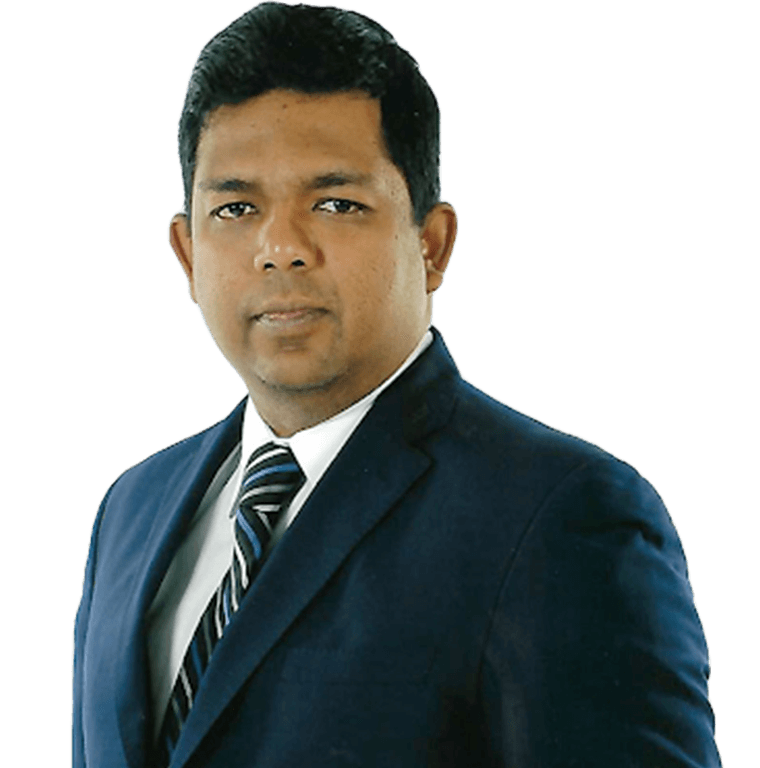
Reviewed by
Naren Arulrajah
CEO & Founder, Ekwa Marketing
Naren Arulrajah is the CEO and Founder of Ekwa Marketing, a 300-person dental marketing agency that has helped hundreds of practices grow through SEO, reputation management, and digital strategy. A published author of three books on dental marketing, contributor to Dentistry IQ, co-host of the Thriving Dentist Show and the Less Insurance Dependence Podcast, and a member of the Academy of Dental Management Consultants. He has spent 19 years focused exclusively on helping dental practices succeed online.