Every dental practice owner pursuing less insurance dependence faces a fundamental question: What if Plan A doesn't work? This article explores how establishing a strategic Plan B—a psychological safety net—enables dentists to confidently transition away from PPO networks without conveying doubt to their teams.
Understanding the Psychology of Backup Plans
Dentists are planners by nature. You understand risk mitigation. You prepare for contingencies. When you're working toward insurance independence—your Plan A—it's natural to wonder what happens if the transition becomes challenging.
Gary Takacs, a dental practice coach with over 41 years of experience coaching dentists, uses an excellent analogy to describe this mindset. He explains that just as professional skydivers carry backup parachutes, dental practice owners benefit from knowing they have a Plan B in place.
When asked if he's ever had to deploy his backup parachute, Takacs shares that skydivers with thousands of jumps universally respond: "No, Gary, but it's comforting to know that it's there."
This psychological reassurance is the true value of Plan B. It's not meant to be used; rather, it alleviates the fear of catastrophic failure, allowing you to commit fully to your transition strategy without the paralyzing doubt that undermines execution.
What Is Plan B for Your Dental Practice?
The Straightforward Answer
Plan B is remarkably simple: if your transition away from PPO networks becomes untenable, you can always re-enroll with PPO plans.
This statement may seem obvious, but its implications are profound. Insurance companies actively want dentists back in their networks. The moment you consider re-enrollment, doors open. Multiple insurance companies will eagerly accept your application. The re-enrollment process, which can be unexpectedly difficult when leaving, becomes straightforward when returning.
The Historical Perspective
The power of this Plan B became evident during the 2008-2009 economic recession. Takacs and his partner Paul were in the process of resigning from multiple PPO plans when the economy collapsed. What had been a thriving practice with the doctor booked out five weeks and hygiene booked six months suddenly faced appointment openings and a schedule full of gaps.
In that moment of crisis, Takacs recalls asking Paul: "If this doesn't work, we can always just sign back up with the plans, can't we?" Paul's affirmative answer was transformative. It shifted their mindset from desperation to determination. They weren't abandoning a failing experiment; they were executing a well-planned strategy with a safety valve. This single reframe enabled them to weather the recession without capitulating to insurance dependence.
They never needed to activate Plan B. But knowing it existed enabled them to persist through genuine hardship.
Plan B as a Psychological Safety Net
The Science Behind Backup Plans
Research in performance psychology demonstrates that the mere knowledge of a backup plan reduces anxiety and improves execution. When uncertainty is high and stakes are perceived as catastrophic, performance deteriorates. Knowing you have a viable fallback position shifts your brain into a problem-solving mode rather than survival mode.
For dental practice owners, this translates directly into better decision-making, improved team morale, and more effective execution of your transition strategy. You're not running scared; you're moving with intentionality.
The Paradox of Not Using What You Have
There's an important nuance here: Plan B must be held privately. You should not communicate it to your team or discuss it extensively within your practice.
When team members hear that re-enrollment is an option, it creates the opposite of psychological safety. Instead of confidence in Plan A, they hear implicit doubt. They interpret it as "the doctor isn't sure this will work," which leads to half-hearted effort and self-fulfilling prophecy.
Consider the difference between these two team conversations:
Approach 1 (Communicated Doubt): "Team, we're going to try reducing our insurance participation. If it doesn't work out, we can always sign back up."
Approach 2 (Confident Execution): "Team, we're implementing a transition to reduce insurance dependence. Here's why this positions us for success, and here's what each of us needs to execute."
The same Plan B exists in both scenarios, but only the second creates the cultural environment necessary for success. Your team should believe—absolutely believe—that you are executing Plan A because it's the right strategic move, not because you're hoping it works out.
The Critical Importance of Proper Preparation
Don't Confuse Plan B with Permission to Be Lazy
Knowing you have a Plan B does not mean you should skimp on the preparation required for Plan A. This distinction is crucial.
Takacs uses the parachute analogy again: having a backup chute doesn't mean you pack your main chute carelessly. Professional skydivers treat their primary parachute with meticulous attention regardless of backup options. They understand that the backup exists precisely because they executed flawlessly with the primary.
Your Plan A preparation should include:
- Comprehensive patient communication strategy: Educate patients about the transition before it happens
- Financial modeling: Project revenue scenarios and ensure cash flow stability
- Fee schedule development: Establish evidence-based, competitive pricing
- Team training: Prepare your team with scripts, objection handling, and case presentation skills
- Marketing and patient acquisition: Build patient flow to replace PPO-dependent volume
- Operations readiness: Ensure systems and processes support the new practice model
The statistics support this approach: among practices that prepare thoroughly, the success rate for insurance-independent transitions reaches 98-99%. The failures consistently come from practices that treated the transition casually or failed to prepare comprehensively.
Real-World Lessons from Practice
What Coaches Observe
After working with over 2,200 dental practices through transition processes, coaches have observed a consistent pattern: no practice has ever needed to activate Plan B when it was properly prepared.
Not one.
This isn't because the recession won't happen again or challenges won't emerge. Rather, it's because practices that prepare thoroughly develop the resilience, patient loyalty, and financial flexibility to navigate challenges that derail underprepared practices.
The Office Manager Advantage
An interesting dynamic emerges when you bring your entire team into the process authentically. Recently, during a team meeting with a new coaching client, an office manager was asked about her feelings regarding the transition. Her response was revealing:
"Gary, I can't wait. We are going to be amazingly successful. Plus, you don't know this, but I previously worked for a practice that did this transition in another state, and we had massive success with it."
Her enthusiasm visibly shifted the energy in the room. Team members who had been uncertain suddenly leaned into possibility. This is what authentic confidence looks like—not the absence of Plan B, but the conviction that Plan A will succeed.
Leadership and Cultural Messaging
The Critical Role of the Owner Dentist
Culture flows from leadership. If the practice owner communicates that transition to insurance independence is an experiment with an easy exit, the team will execute at precisely that level—experimentally and ready to retreat.
Conversely, if the owner communicates that this is a calculated strategy with thorough preparation, the team will rise to meet that expectation. They'll notice problems earlier, find solutions more creatively, and persist through temporary setbacks.
Your role as owner is to:
- Know that Plan B exists (for your own peace of mind)
- Never mention it publicly within the practice
- Communicate Plan A with absolute conviction based on thorough preparation
- Model the confidence your team needs to see
Building Systems That Work
One of the most powerful tools coaches provide is a Standard Operating Procedure (SOP) for managing the transition. This SOP isn't about having a backup plan; it's about executing Plan A with systematic precision.
When your team follows a tested, step-by-step process rather than making it up as you go, execution improves dramatically. Problems that seem insurmountable when approached randomly become manageable when you have a systematic process.
What Doctors Report After Successful Transitions
The Universal Reflection
After practices successfully navigate the transition to less insurance dependence and begin experiencing the benefits of keeping 56-58% of revenue instead of giving away 42-44% to PPO plans, coaches ask doctors a simple question: "How do you feel about this decision?"
The response is remarkably consistent. Almost every dentist says some variation of: "Gary, the only regret I have is that I didn't do it sooner."
This isn't a statement made from desperation or relief. It's a genuine reflection that the transition was not only successful but represented a level of practice satisfaction and financial security they hadn't previously experienced.
The fear that animated the "what if Plan A fails" question dissolves entirely once executed properly. The financial benefits are real. The patient relationships are stronger. The team is more engaged. The work becomes more fulfilling.
The Decision Point
You stand at the same decision point that thousands of dentists have navigated. You're drawn to the possibility of insurance independence but uncertain about the risks. You're strong enough to consider the transition but realistic enough to want a safety valve.
That's wise. And here's what that wisdom looks like in practice:
Have Plan B. Know that if your strategy needs to pivot, you can re-enroll with insurance companies. This knowledge reduces anxiety and improves decision-making.
But don't rely on Plan B. Prepare Plan A so thoroughly that you never need the backup. Execute with the conviction of someone who has done the homework and tested the strategy.
Keep Plan B private. Your confidence in Plan A comes from preparation, not from how easily you can retreat. Your team needs to see that conviction.
When you combine genuine preparation with psychological confidence, you create the conditions for transformation. Not because Plan B makes Plan A safer, but because believing in Plan A makes you execute Plan A better.
Ready to Develop Your Practice Strategy?
Get personalized guidance on transitioning away from insurance dependence and building your Plan A.
Ready to Take the Next Step?
Get personalized guidance on reducing insurance dependence and building a thriving practice with confidence.
Schedule a Coaching Strategy Meeting with GaryThis article draws from principles discussed by Gary Takacs, dental practice management coach with over 41 years of experience transforming 2,200+ practices away from insurance dependence. Learn more about the Less Insurance Dependence methodology at lessinsurancedependence.com
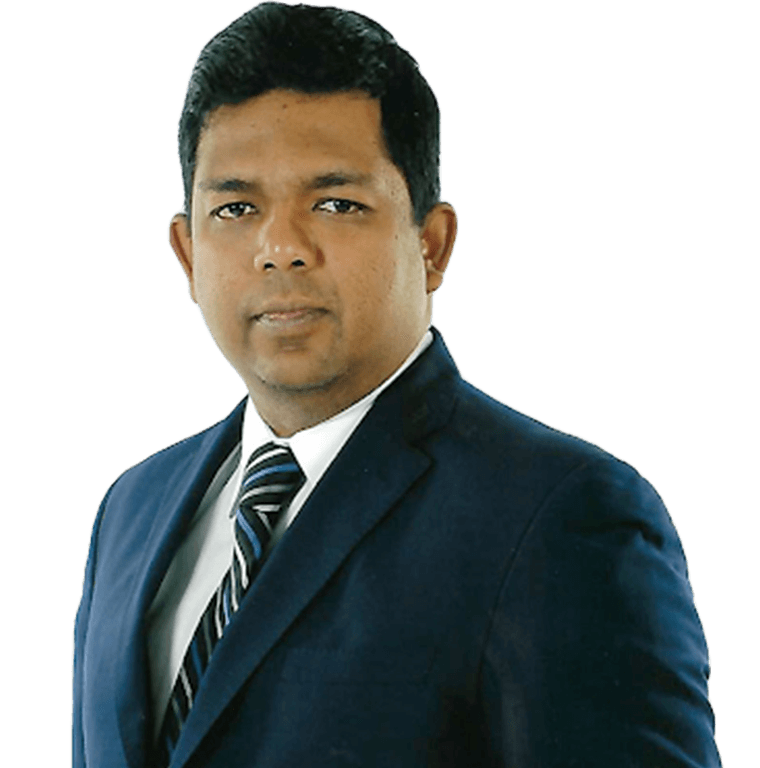
Reviewed by
Naren Arulrajah
CEO & Founder, Ekwa Marketing
Naren Arulrajah is the CEO and Founder of Ekwa Marketing, a 300-person dental marketing agency that has helped hundreds of practices grow through SEO, reputation management, and digital strategy. A published author of three books on dental marketing, contributor to Dentistry IQ, co-host of the Thriving Dentist Show and the Less Insurance Dependence Podcast, and a member of the Academy of Dental Management Consultants. He has spent 19 years focused exclusively on helping dental practices succeed online.